Like Nastya: Party Time
Like Nastya Official
Downloads
5,000,000+
Version
Latest
Click to download now, finish the installation quickly, and directly unlock the "all-round experience"
Screenshots
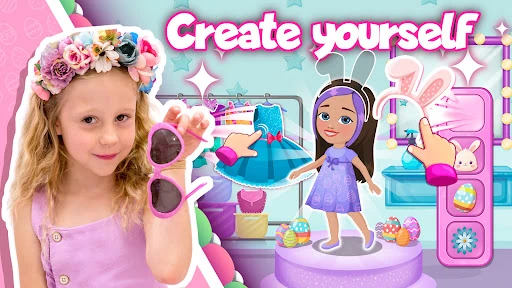
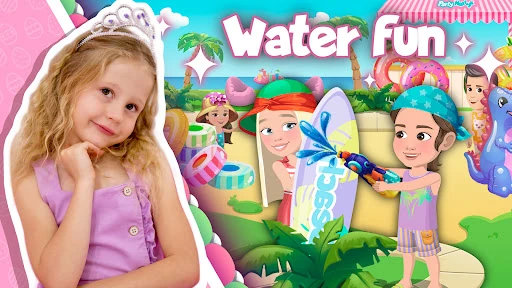
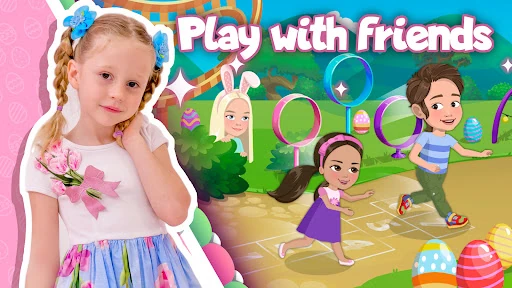
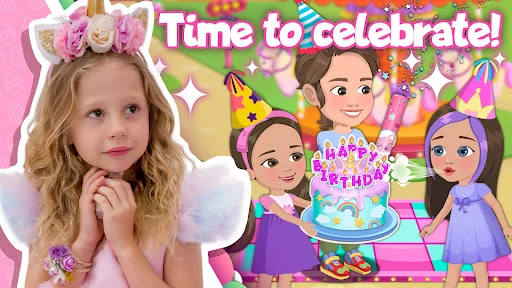
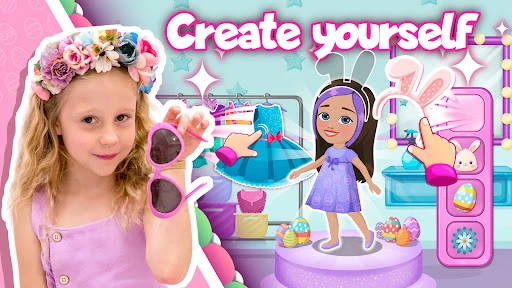
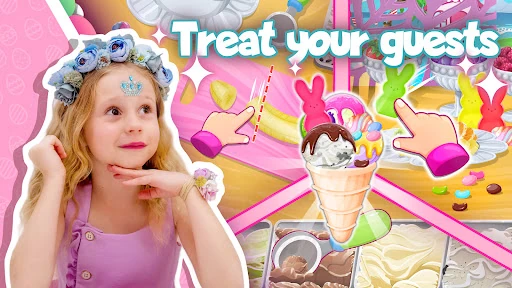
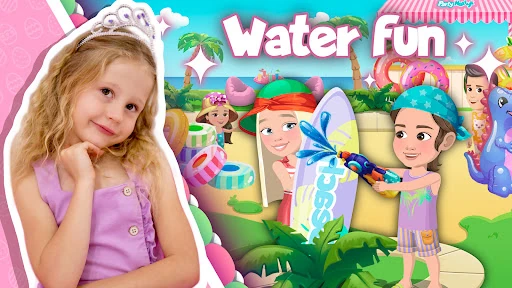
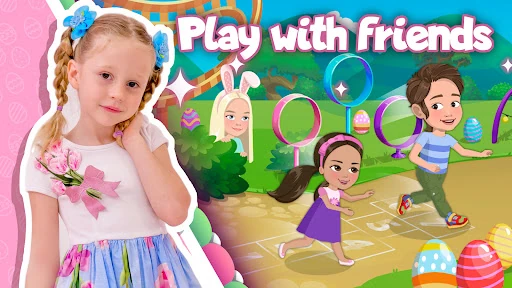
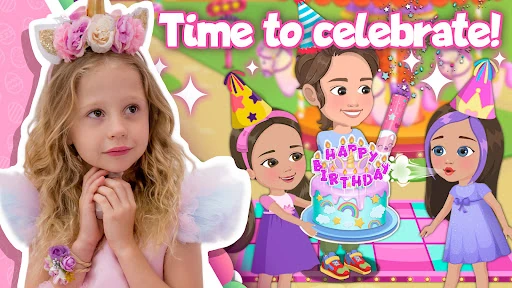
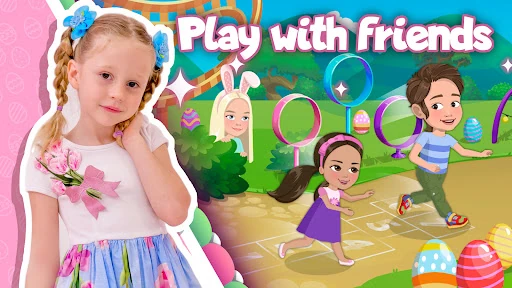
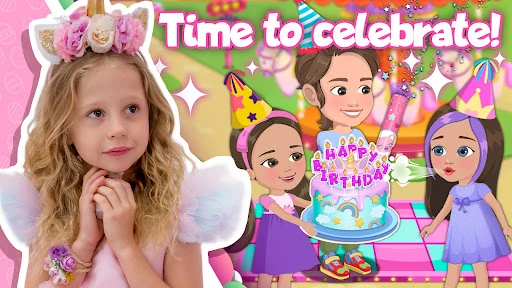
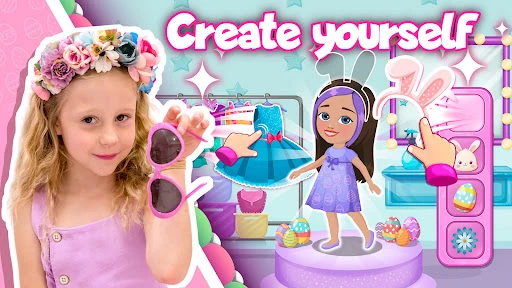
Click to download now, finish the installation quickly, and directly unlock the "all-round experience"
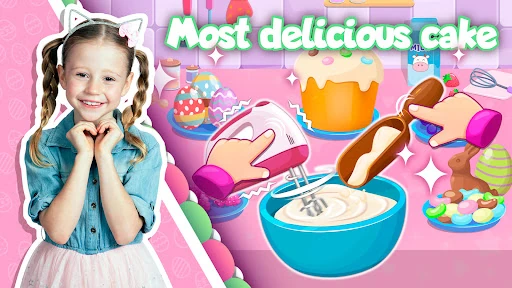
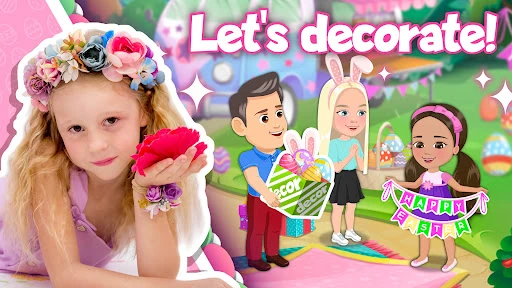
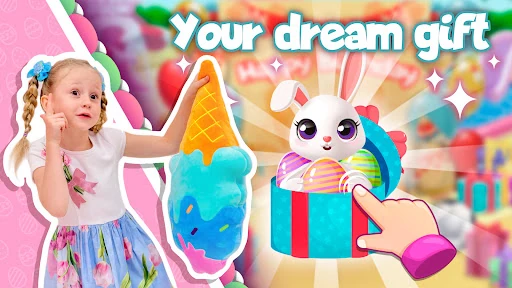
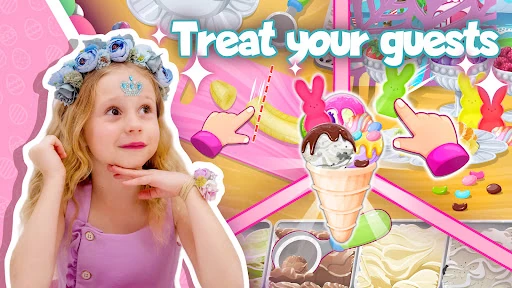
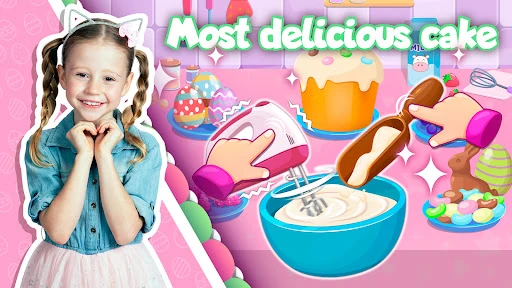
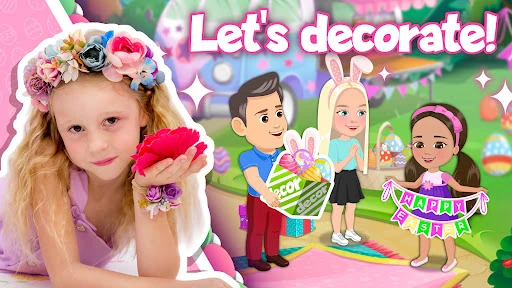
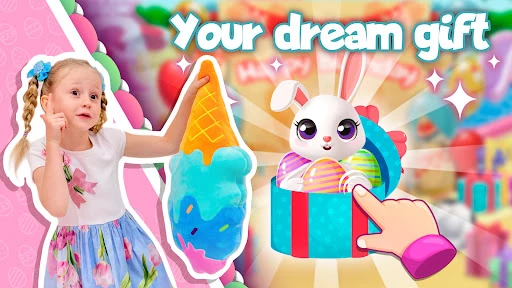
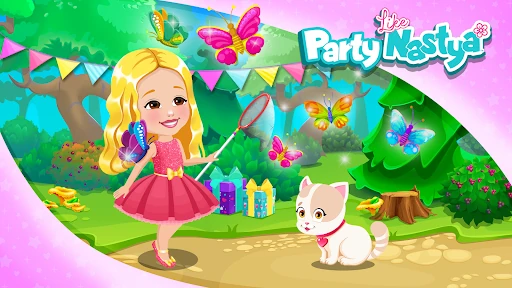
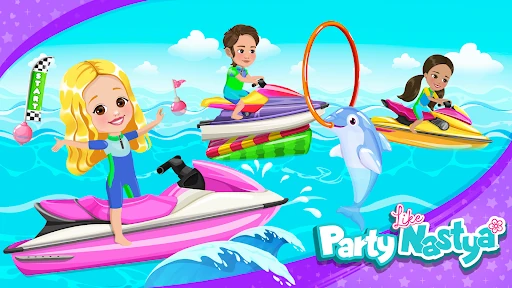
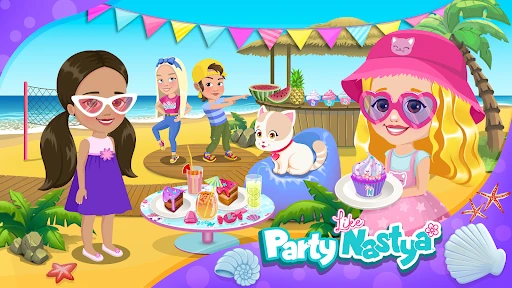
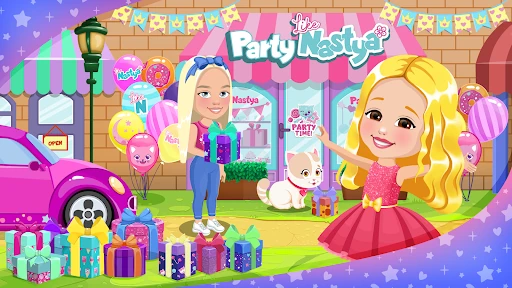
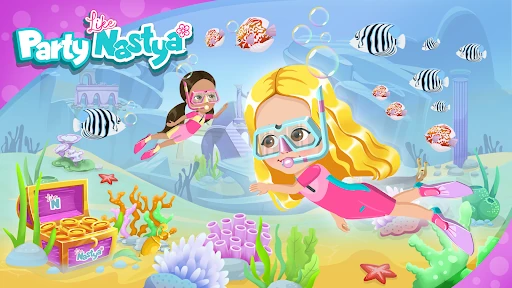
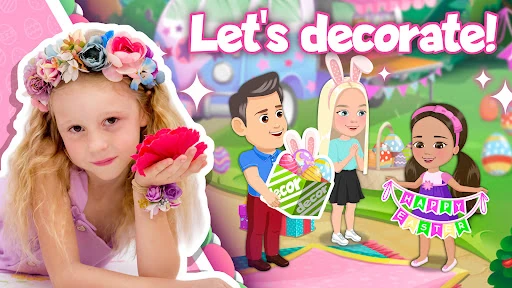
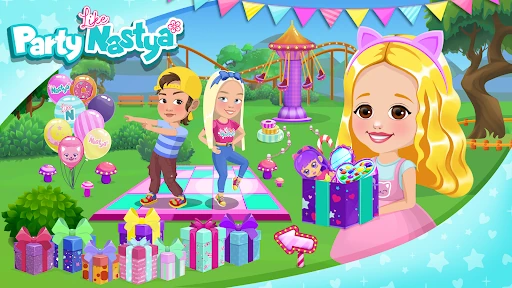
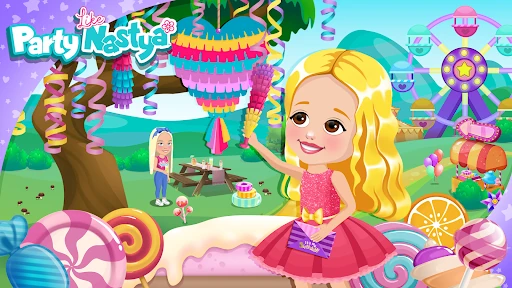
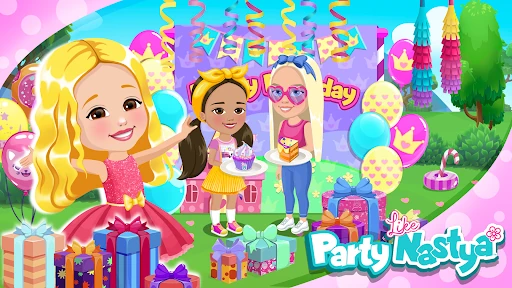
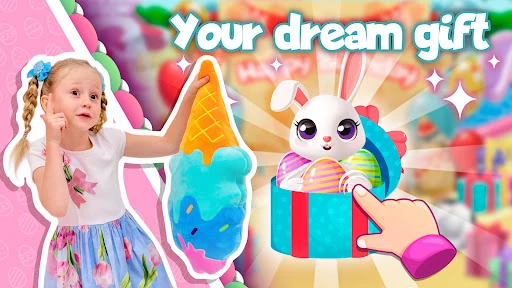
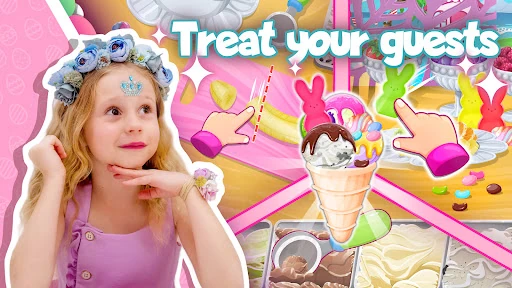
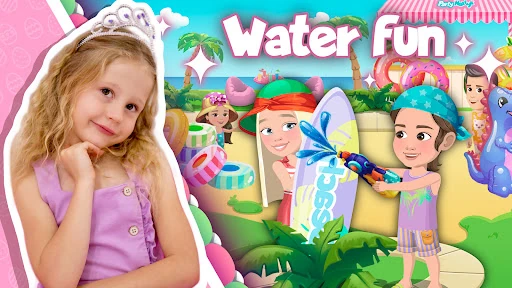
Like Nastya: Party Time presents a compelling digital adaptation of a popular children's YouTube channel into the Educational gaming category. The app leverages the influential "Like Nastya" brand to create an interactive party simulation, framing a collection of mini-games and creative activities within the familiar and exciting context of a birthday celebration. This analysis positions it less as a direct academic tool and more as a platform for fostering situational creativity, imaginative play, and causal understanding suitable for its young, preschool-to-early-elementary target audience.
The UI is clearly built with a young child's capabilities in mind. Icons and buttons are large, colorful, and representative, minimizing the need for text-based navigation. The flow from one activity to the next is generally intuitive, often using visual cues and clear scene transitions that prevent users from feeling lost. However, for the Educational category, the UX prioritizes engagement and theme-based exploration over measurable skill progression or adaptive learning pathways. The design succeeds in creating a vibrant, festive atmosphere that mirrors the energy of the YouTube content, though it may benefit from more subtle auditory feedback and fewer on-screen prompts to further encourage independent discovery.
For the next update, development should focus on deepening the educational scaffolding and personalization. Introducing a gentle difficulty curve within mini-games, such as more complex cake designs or memory-based invitation creation, would add a skill-development layer. Furthermore, a basic "party checklist" or goal-setting feature at the start could teach simple project management. Finally, incorporating subtle, optional prompts that encourage language use (e.g., "What should we name this cake?") or basic math ("We need 3 more candles!") could blend the fun theme with more tangible learning outcomes without disrupting the core playful experience.
This app is ideally suited for preschool and kindergarten-aged children who are active fans of the Like Nastya YouTube channel, as well as parents seeking a safe, brand-familiar digital space for creative and imaginative play. It is not recommended for those seeking a structured academic curriculum. The final verdict is that Like Nastya: Party Time is a well-executed and engaging thematic playset that successfully translates a digital persona into an interactive experience. While its classification as "Educational" is broad, it delivers significant value in promoting imaginative role-play, simple procedural tasks, and brand-centric engagement for its very specific target audience.