Piano Keyboard: Learn Piano
Avn Global Application
Downloads
1,000,000+
Version
Latest
Click to download now, finish the installation quickly, and directly unlock the "all-round experience"
Screenshots
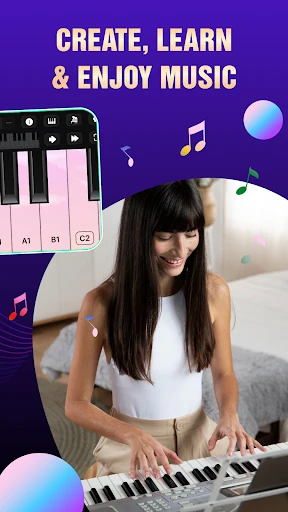
Click to download now, finish the installation quickly, and directly unlock the "all-round experience"
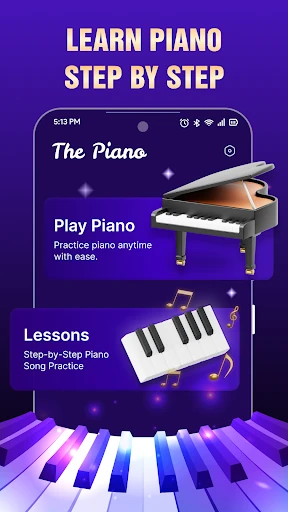
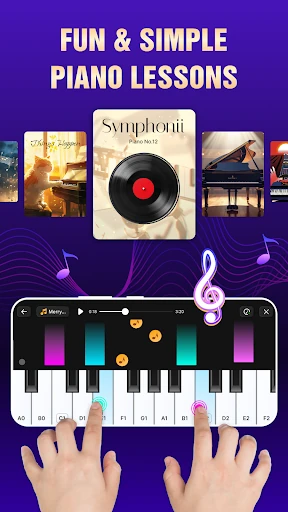
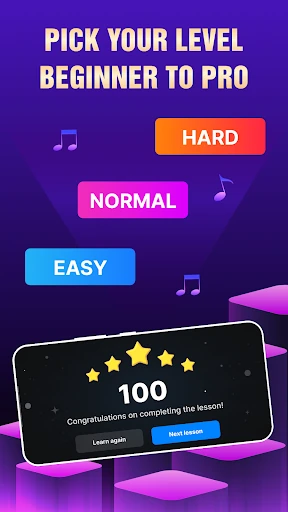
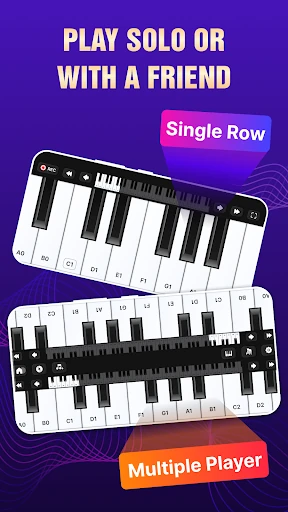
Piano Keyboard: Learn Piano is a well-executed entry in the crowded Music & Audio learning space. It successfully bridges the gap between a fun, accessible mobile piano and a structured learning tool. The app’s core strength lies in its dual-purpose design, effectively serving both the casual user wanting to tinker with melodies and the dedicated beginner seeking guided progress, all without requiring physical hardware. Its positioning as a “pocket-sized piano” with integrated lessons is both accurate and compelling.
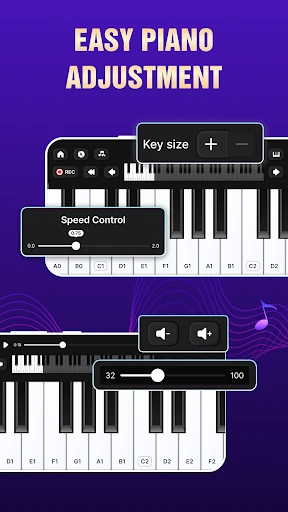
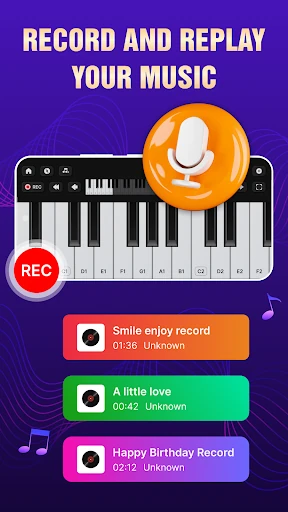
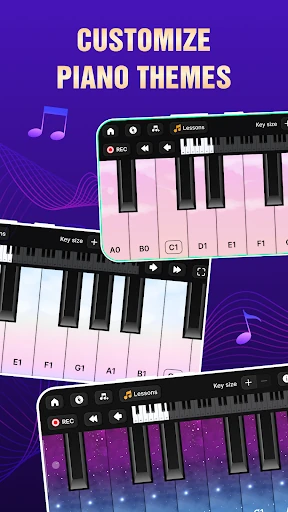
The interface prioritizes clarity and immediate usability, which is paramount for an educational tool in this category. The learning modules and piano keyboard are the central, unmistakable focuses, minimizing cognitive load for new users. The use of distinct sections for “Learn,” “Play,” and “Record” creates a logical user journey. While functional, the visual design leans towards utilitarian; it effectively communicates hierarchy and action but may lack the polished aesthetic refinement seen in top-tier competitors. The customization options, however, empower users to adjust the UI to their liking, partially mitigating this.
For the next update, the development team should focus on curation and guidance. Implementing a dynamic "Learning Path" that recommends specific songs or lessons based on a user's progress and goals would add significant intelligent scaffolding. Furthermore, introducing community features, such as the ability to share recordings (even if just privately with a teacher) or view simplified cover performances from other learners, could combat the isolation of self-study and fuel motivation. Finally, exploring basic MIDI output support would be a major upgrade for users who eventually connect a physical MIDI keyboard, future-proofing the app for their musical journey.
This app is a highly recommended starting point for absolute beginners and hobbyists who are curious about piano but hesitant to invest in an instrument. It is equally suitable for musicians of other disciplines seeking a portable sketchpad for melodies. The blend of structured learning and open-ended creative play is its winning formula. While it may not replace advanced tutor software or a dedicated digital audio workstation for professionals, Piano Keyboard: Learn Piano delivers exceptional value and a genuinely effective learning experience for its target audience, making it a standout choice in the mobile music education market.